
Trauma-Informed Therapy for Lasting Stability and Healing
Individual therapy for adults and teens integrating trauma-focused care, EMDR, and nervous system regulation.
I work with individuals who feel worn down by chronic stress, trauma, or years of operating in high-responsibility roles. Many clients describe feeling constantly on edge, emotionally disconnected, or stuck in survival mode despite outward competence. Therapy is paced, collaborative, and focused on restoring safety, regulation, and steadiness so life can feel more sustainable and meaningful again.
For clients who benefit from a more body-based approach, I integrate biofeedback-informed nervous system training alongside talk therapy and EMDR. This allows us to work not only with insight and understanding, but also with the physiological patterns that keep stress and trauma active in the body.
If you’re considering therapy and want a thoughtful, grounded approach, you’re welcome to reach out to see whether working together would be a good fit.


Find your calm. Train your heart. Take back control.
Biofeedback is used as a supportive tool within therapy to help individuals better understand and regulate their nervous system responses to stress and trauma. By increasing awareness of patterns such as breathing and heart rate, biofeedback can support greater emotional stability, improved stress tolerance, and a stronger sense of internal safety. This approach is integrated thoughtfully alongside talk therapy and EMDR, rather than used in isolation.
Evidence-based training for stress, anxiety, & burnout
Specialized support for Veterans, Law Enforcement, First Responders, & Student Athletes
In person sessions in Chestnut Hill, Philadelphia for biofeedback and traditional psychotherapy

Jonathan Bittner, LAPC, MS, CTP

What is biofeedback?
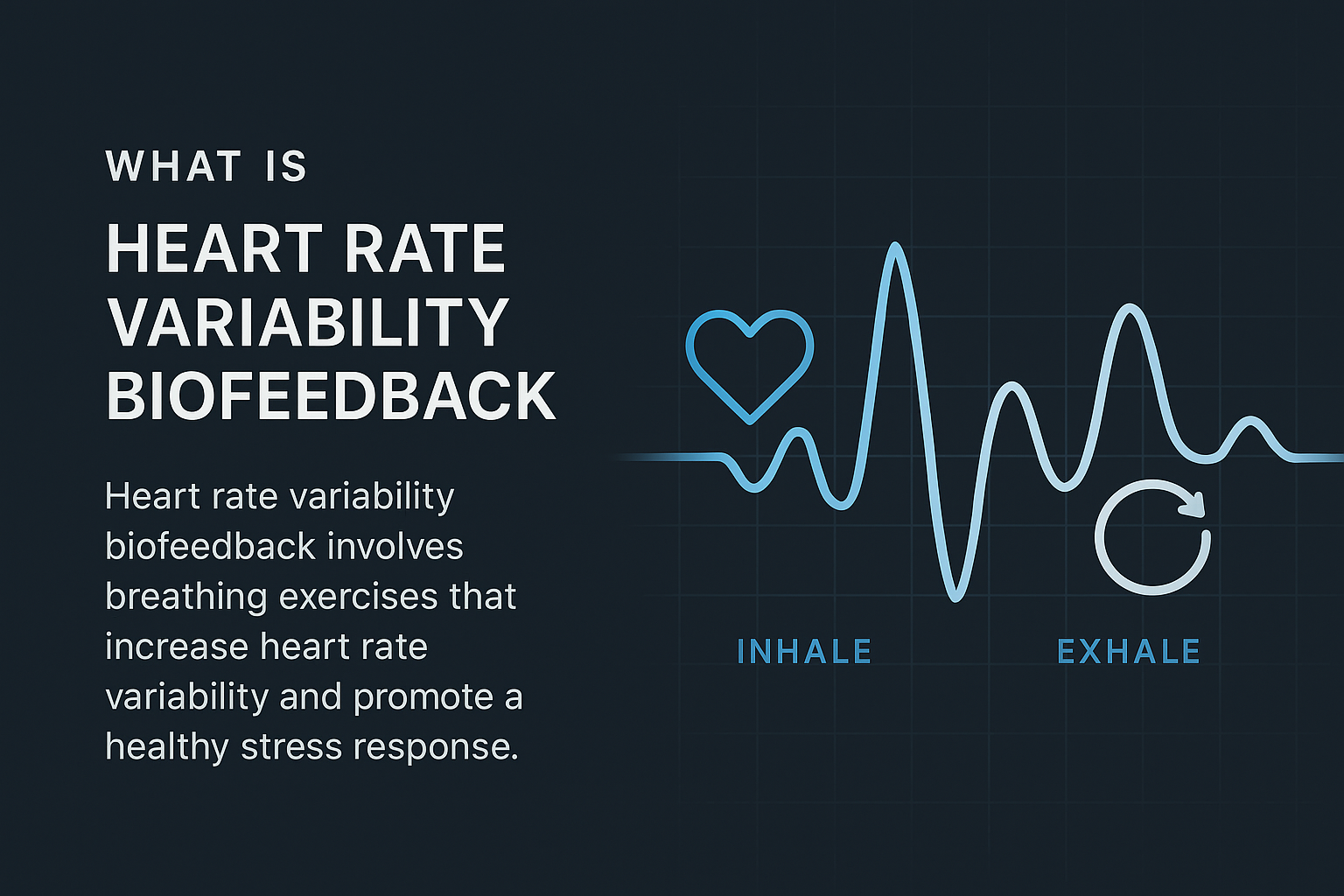
Heart Rate Variability (HRV) is the tiny difference in time between each heartbeat. It’s one of the clearest windows into how your nervous system is functioning.
HRV biofeedback is a structured training that uses real-time heart and breathing data to help you:
See how your body responds to stress
Learn a specific way of breathing at your body’s resonance frequency
Practice until your system can shift from “fight/flight” to “steady and responsive” on its own
Research continues to show HRV biofeedback can reduce stress, anxiety, and PTSD symptoms and improve emotional regulation and performance.
https://www.tandfonline.com/doi/full/10.3109/16066359.2015.1011625
How my biofeedback program works
Initial Assessment (Session 1)
Brief history, goals, and current stress load
Stress Assessment
Base line HRV Assessment
Education on your nervous system & “Stay Zero” concept (steady in chaos)
Resonance Breathing Session (Session 2)
We identify your individualized breathing pace
Training on proper breathing skills
Intuitive Breathing (Sessions 3)
This session shifts from guided pacing to body-led breathing.
You’ll learn to recognize your body’s natural rhythm, how it wants to breathe when it’s calm, grounded, and safe. Instead of forcing a number or pattern, we explore intuitive breathing: softening control, noticing subtle shifts in your heart rate and breath, and letting the nervous system find its own steady cadence.
Goal: To rebuild trust with your body’s natural regulation system and develop the skill of returning to calm without relying on external pacing.
Live Biofeedback (Session 4)
Here, you experience real-time synchronization between your breathing and your heart.
Sensors track your cardiac rhythm and display it live on the screen. You’ll learn how to follow your heartbeat, breathing in a way that supports your heart’s natural variability rather than trying to control it.
This is where HRV biofeedback becomes tangible: you’ll literally watch your nervous system shift from stress to coherence as you breathe. It’s a powerful, embodied moment of awareness, seeing your physiology respond to your intention.
Goal: To deepen mind-body connection, strengthen self-regulation, and anchor the skill of calm responsiveness under real-world stress
Practice (Session 5)
This session focuses on refining what your body already responds to best.
Together, we review your progress which breathing patterns, thoughts, or internal cues helped you regulate most effectively and reinforce those skills through live HRV feedback and guided practice. The goal is to make regulation second nature, not something you have to think about.
Goal: To strengthen and personalize your regulation skills, turning insight into automatic, embodied calm.
Practice and Feedback (Session 6)
This session is all about integration and reflection.
You’ll continue practicing your personalized HRV training while receiving real-time feedback from both the data and your own body awareness. We’ll explore how your system responds when you apply your skills under different conditions , calm versus stress, focused versus distracted and fine-tune your approach based on what your heart rhythm shows.
We also review your at-home practice, discuss challenges or plateaus, and identify what helps you reconnect most quickly to your steady state. The emphasis here is on self-trust, pattern recognition, and confidence in your ability to self-regulate without external guidance.
Goal: To consolidate your biofeedback skills through direct feedback and real-world practice, ensuring your nervous system can return to balance on its own.

For Referring Professionals
I work closely with physicians, therapists, schools, and other providers seeking a thoughtful, trauma-informed referral option. My approach is structured, collaborative, and paced, with attention to safety, continuity of care, and clear communication when appropriate. I welcome professional consultation to ensure referrals are well-matched and supported.
